Enfolding
- A Study into the Gendered Scripts

Installation at Venice Biennale 2019
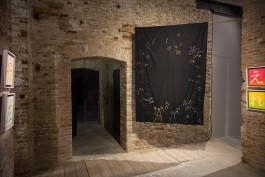
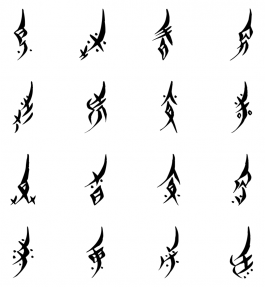
“Women’s Writing”, Nüshu in Chinese, is a writing system developed by and only passed on among the female population of small villages in South Hunan Province. Derived from square Chinese characters, Nüshu takes on a whimsical shape, looking almost like dancing figures. For an exhibition during the residency, a round table embroidery session was initiated, where the audience was invited to embroider their own Nüshu characters. On the backside of the fabric, the characters become even more abstract like a language in its own right.
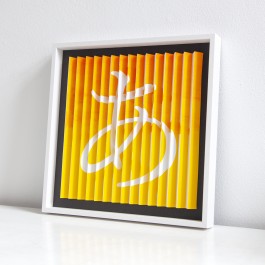
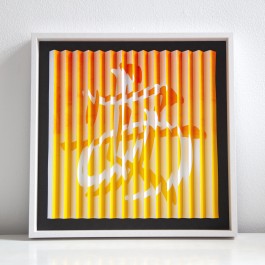
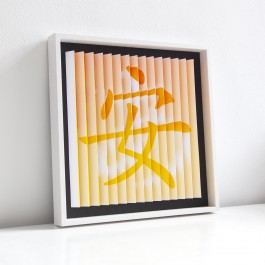
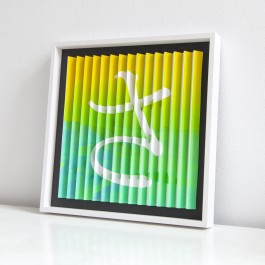
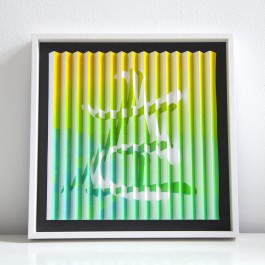
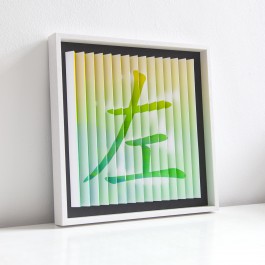
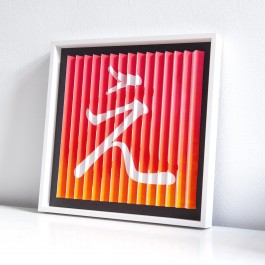
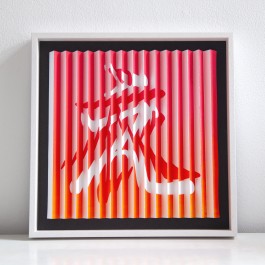
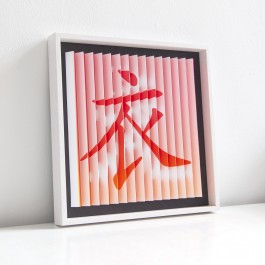
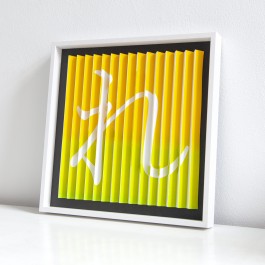
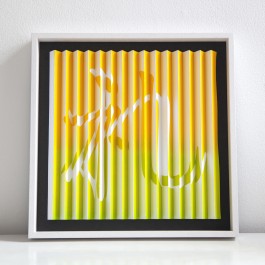
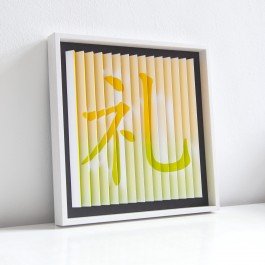
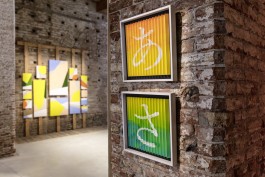
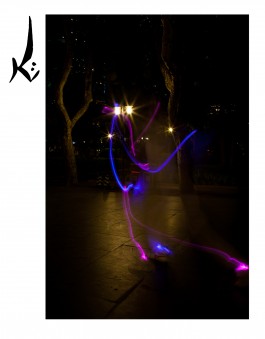
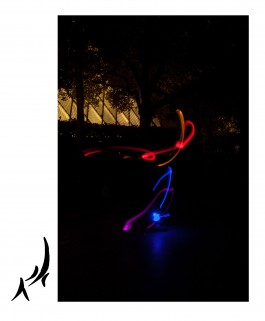
In Japan, similarly, women developed a simplified writing style from Chinese cursive script, known as Onnade, meaning “Women’s Hand”, (later known as Hiragana), females used it to author literature, private communications among each other, as well as waka poems. While Kanji was dominantly practiced by men, and used to write official documents. The four lenticulars shown here demonstrate how Chinese characters became “folded” into the Japanese Onnade tradition.


four lenticulars demonstrate how Chinese characters became “folded” into the Japanese Onnade
Onnade and Nüshu appeared and manifested themselves in distinct ways. Eventually Onnade gained the upper hand and became the accepted form of writing together with Kanji, while Chinese Nüshu is now a dying practice considered cultural heritage. Yet together they tell the story of our shared history and memory — how women in different countries gave themselves a voice in a restricted and patriarchal environment, and how our communities and societies are connected through this resourceful act of defiance.


Installation at Venice Biennale 2019
“Women’s Writing”, 女书 (Nüshu) in Chinese, is a script developed by and only passed on among the female population of small villages in South Hunan Province. Derived from square Chinese characters and local symbols, Nüshu takes the shape of rhombus, looking almost like dancing figures.

Nüshu has historically served an important role of communication and emancipation for local women; it enabled them to express themselves openly and freely in restricted and patriarchal imperial China: they frequently exchanged letters, poems, songs, prayers, tales, wedding congratulations, etiquette advice, etc. towards each other.

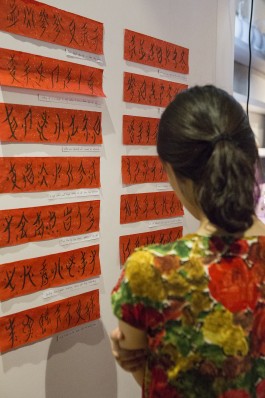
Lines of Nüshu poems
Nüshu culture goes beyond the writing system. The definition of a fluent Nüshu user includes singing, writing, embroidery and the sworn sisterhood. These activities bring the local women together, create a strong bond among them, and allows time and space where they could exchange emotions and ideas.
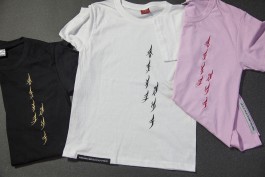
Here below are several projects I've developed around the subject of Nüshu during the artist residency at Swatch Art Peace Hotel in Shanghai.


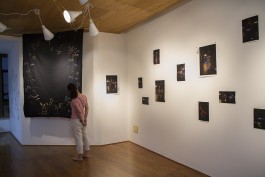
Exhibition view at Swatch Art Peace Hotel, Shanghai